The thrill of risk-taking
Gambling, at its core, is fundamentally about risk-taking. The thrill of wagering money on uncertain outcomes awakens a unique mix of excitement and anxiety in players. Psychologically, the rush that comes from taking risks can release dopamine, a neurotransmitter associated with pleasure and reward. Those who use a betting app often find themselves caught in this biological response, creating a compelling desire to repeat the behavior, encouraging individuals to continue gambling in search of that high. It’s this dynamic interplay between the brain’s reward system and our innate propensity for thrill-seeking that drives many to the gaming tables.
Moreover, the environment in which gambling occurs significantly enhances this experience. Casinos and gaming establishments are deliberately designed to be stimulating environments, featuring bright lights and energetic sounds that heighten emotional responses. This sensory overload amplifies the thrill of risk, drawing players into an immersive experience that can be difficult to resist. As individuals engage in this high-stakes atmosphere, their behavioral psychology shifts, often leading them to make impulsive decisions fueled by the excitement of potential wins.
Additionally, societal attitudes toward gambling play a significant role in its psychological allure. In many cultures, winning big in a game is perceived not just as luck, but as a testament to skill and judgment. This perceived element of skill can ignite a competitive spirit, prompting individuals to believe they can outsmart the odds. Consequently, this mindset transforms gambling from mere chance into an entertaining challenge, creating a compelling psychological motive to engage in play.
The influence of social interactions
Sociability is another powerful factor influencing why people gamble. For many, the social aspect of gambling is equally important as the act itself. Engaging in games with friends or fellow enthusiasts fosters a sense of community and belonging. This shared experience can create lasting bonds and enhance the enjoyment of gambling. When people are immersed in a social setting, they often feel encouraged to take risks they might otherwise avoid if gambling alone, amplifying the thrill of the experience.
Moreover, the social environment can significantly affect decision-making processes. Peer pressure and social norms often dictate how much and how often individuals are willing to gamble. In group settings, the excitement can be contagious, leading to increased wagers as people strive to keep up with friends or simply to maintain a positive social atmosphere. This social influence plays a crucial role in gambling behaviors and can lead to more significant financial risks than individuals might typically pursue alone.

The camaraderie developed in gambling scenarios can also serve as a source of emotional support. People often share stories of wins and losses, creating a tapestry of collective experiences that adds a layer of meaning to the gambling experience. This shared narrative reinforces the reasons for gambling, making it a pivotal social activity that fulfills both individual needs for thrill and collective desires for connection. Ultimately, the social dynamics of gambling enhance its psychological appeal, making it far more than just a solitary endeavor.
The role of cognitive biases
Cognitive biases significantly influence how individuals perceive gambling and its potential rewards. One predominant bias is the illusion of control, where players believe they can influence the outcome of games through skill or strategy, even in games that are predominantly based on chance. This false sense of agency alters decision-making processes, leading players to bet more than they typically would. Such cognitive distortions can perpetuate gambling behaviors, causing individuals to chase losses or repeatedly engage in plays they’re unlikely to win, ultimately complicating their relationship with gambling.
The gambler’s fallacy is another common cognitive bias where individuals wrongly believe that past outcomes can predict future results. For instance, if a player frequently loses, they may feel that a win is “due” and thus continue to gamble in hopes of turning their luck around. This fallacy can lead to escalating wagers and an inability to accurately assess risk, contributing to problematic gambling behaviors. The cognitive errors involved can create a psychological trap that is hard to escape.
Furthermore, confirmation bias also plays an essential role; individuals tend to remember winning experiences while conveniently forgetting losses. This selective memory reinforces the belief that gambling can yield substantial rewards, prompting continued participation. Such biases create a psychological cycle where the potential for winning obscures the realities of risk, making it difficult for players to disengage from gambling despite adverse outcomes. Understanding these biases is critical for addressing gambling behaviors and fostering healthier approaches to gaming.
The impact of emotional states
Emotional states profoundly influence gambling behavior. Many individuals turn to gambling as a way to cope with stress, anxiety, or depression. The excitement of the gamble can provide an escape from one’s problems, albeit temporarily. This emotional relief can become addictive, leading individuals to rely on gambling as a primary coping mechanism. The pattern becomes self-reinforcing: the more one gambles to escape negative emotions, the more entrenched they become in that behavior, creating a challenging cycle to break.
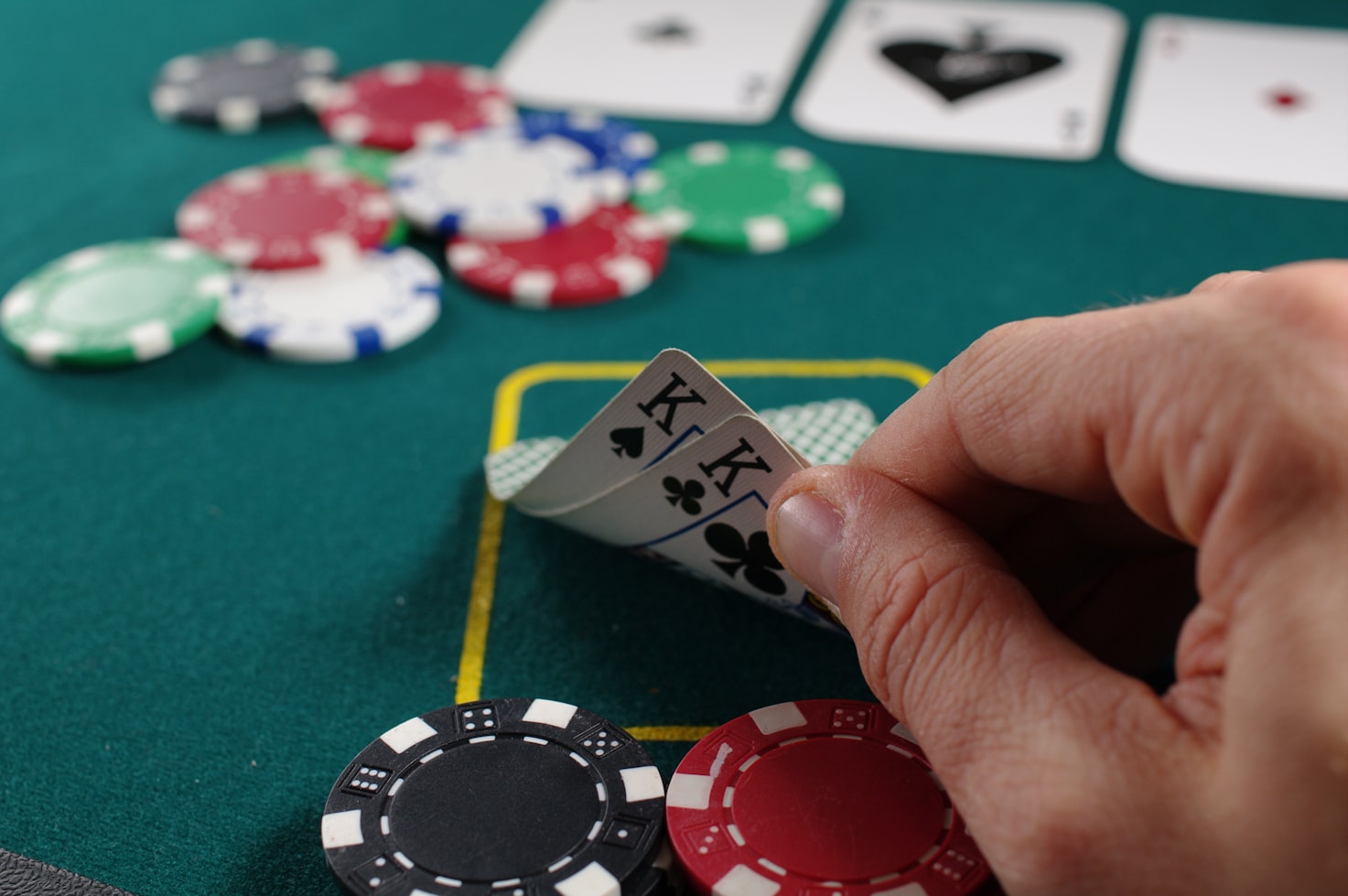
Additionally, positive emotional states can also affect gambling choices. A player who experiences feelings of happiness or elation may be more inclined to take risks, believing that their good mood will translate into positive outcomes. This emotional boost can cloud judgment, encouraging impulsiveness and potentially leading to significant losses. Conversely, individuals in a negative emotional state may also gamble, driven by the desire to recapture feelings of control and happiness, showcasing the complex relationship between emotions and gambling behavior.
Understanding the role of emotions in gambling behaviors is crucial for addressing problem gambling. By recognizing how emotions can drive individuals to gamble, it’s possible to develop healthier coping strategies and alternatives to gambling. This awareness can guide individuals toward making more informed choices about when and how to engage in gambling activities, fostering a more balanced approach to leisure and entertainment. Emotional intelligence can serve as a protective factor in mitigating the risks associated with gambling.
Our commitment to responsible gaming
At our platform, we prioritize fostering healthy gambling habits and promoting responsible gaming practices. We recognize that understanding the psychology behind gambling can help players make informed decisions and offer tools to maintain control over their gaming activities. Providing comprehensive resources on gambling behavior and psychological influences ensures that our users are equipped with the knowledge to enjoy a safe and responsible gaming environment.
Additionally, we commit to promoting community awareness around responsible gambling. Our platform offers various features aimed at encouraging self-assessment and mindful participation in gaming activities. We believe that raising awareness of the various psychological factors influencing gambling can empower players to better understand their motivations and behaviors, which in turn leads to a healthier gambling experience for all.
We also emphasize the importance of support networks in maintaining a balanced approach to gaming. By providing access to support resources and fostering open conversations about gambling behaviors, we aim to create a community that supports individuals in their journey toward responsible gaming. Ultimately, our mission is to ensure that all participants can enjoy gaming as a form of entertainment while remaining aware of its psychological dimensions and potential risks, thereby creating a more sustainable gaming culture.